Living Museum of Learning
The Hacker's Puzzle: 1, 3, 4, 6
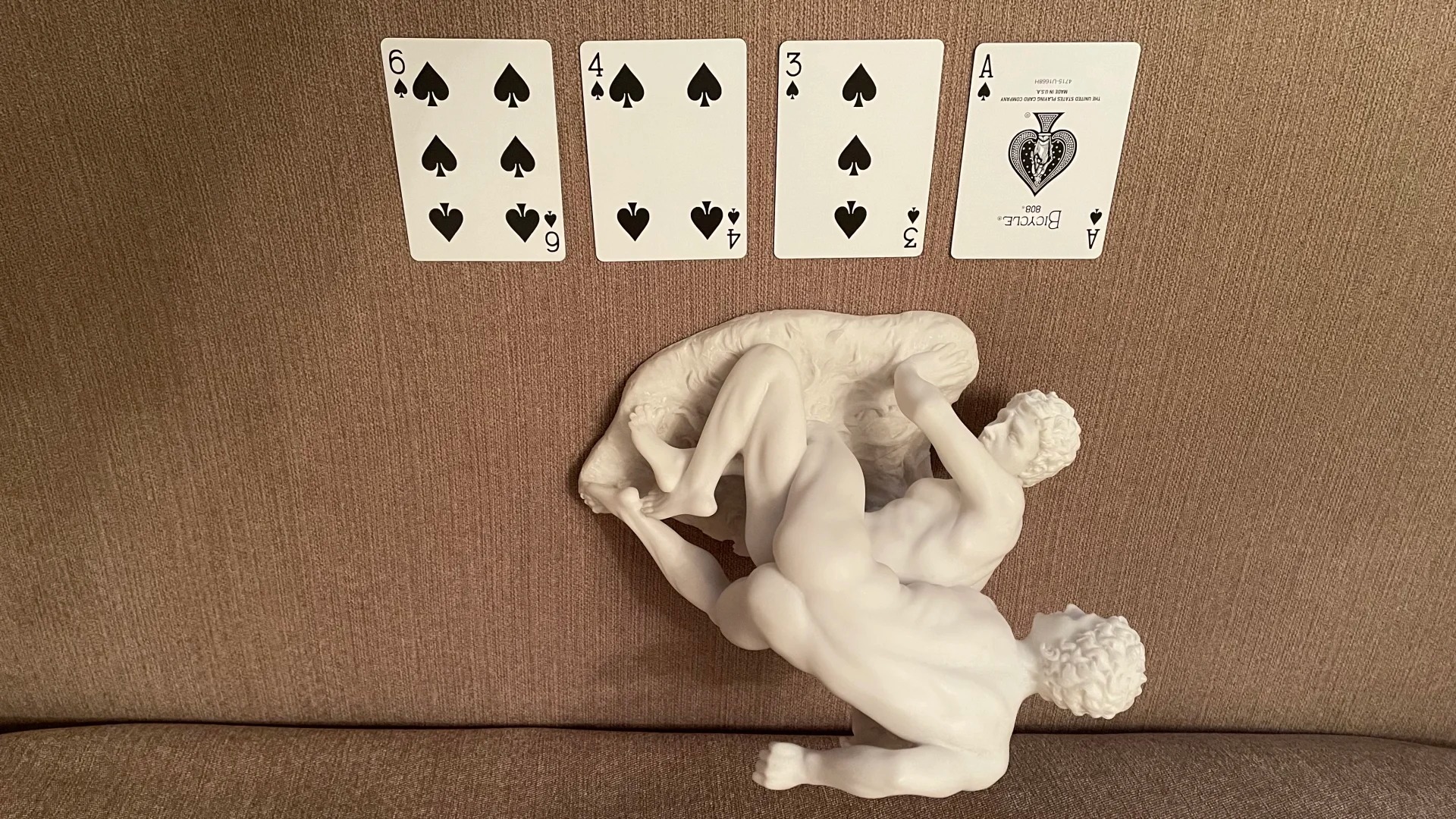
On a desk sit four playing cards:
1, 3, 4, 6
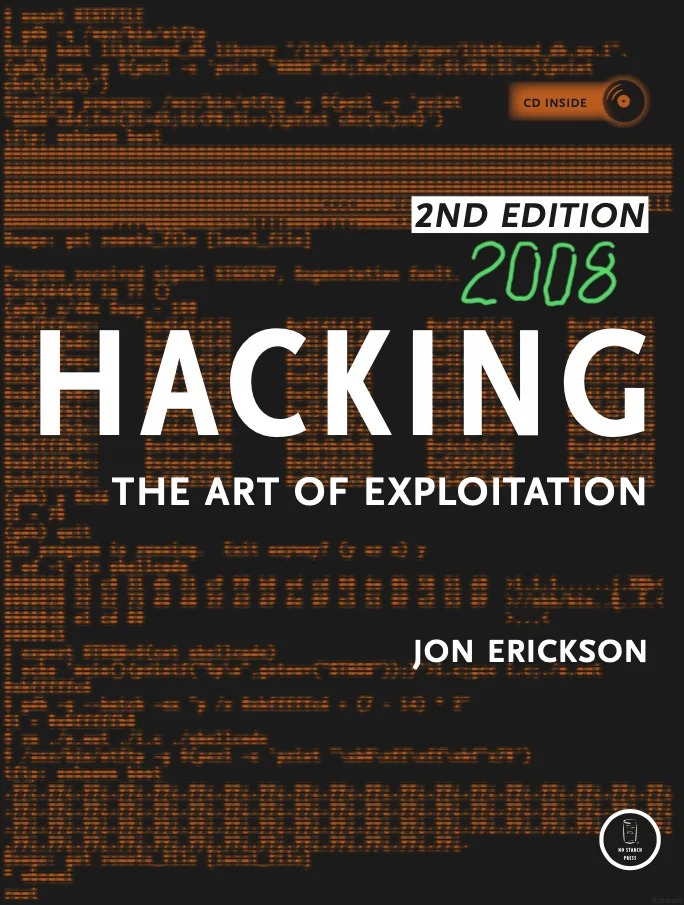
Beside them lies a copy of Hacking: The Art of Exploitation.
The setting is unexpected. The book is known for operating systems, memory management, C programming, and buffer overflows. Yet its opening chapter presents an elementary arithmetic puzzle:
Use 1, 3, 4, and 6 exactly once to make 24.
At first glance, the problem seems unrelated to hacking.
The book offers an insight:
The essence of hacking is finding unintended or overlooked uses for the laws and properties of a given situation.
The arithmetic puzzle suddenly becomes something larger.
The challenge is not calculation.
The challenge is to see possibilities that others overlook.
Rules remain fixed.
Thinking changes.
The four cards become more than numbers.
They become a miniature laboratory for:
experimentation,
reversal,
recombination,
and unconventional thinking.
The solution matters less than the mental habit being cultivated.
A student learns that creativity often appears not by breaking rules, but by discovering hidden freedom within them.
Many people associate hacking with computers.
But the deeper idea is intellectual.
A hacker asks:
What assumptions am I making?
What possibilities have I ignored?
Can these rules be used differently?
Mathematics provides an ideal environment for developing this mindset because the rules are clear while the solutions remain open.
The 24-point puzzle becomes a lesson in creativity under constraint.
A simple arithmetic puzzle can introduce students to habits of thinking usually associated with science, programming, and invention.
By presenting problems with fixed rules but multiple pathways, students learn to search for overlooked possibilities rather than memorize procedures.
Many important discoveries arise not from breaking rules but from understanding them deeply enough to use them in unexpected ways.
Museum Alcove
Many years after first encountering the 1–3–4–6 puzzle in a hacker book, the fascination with the 24-point game eventually led to the development of the mobile app Golden 24.
The app was designed around the same belief expressed in this exhibit:
Fixed rules can still produce surprising freedom.
Players explore thousands of number combinations, searching for elegant solutions, unexpected strategies, and moments of insight.
For visitors interested in experiencing this style of mathematical thinking firsthand:
Golden 24 on the App Store
https://apps.apple.com/in/app/golden-24/id1424312359